What is Bridge Funding in India?
Definition and Core Concept
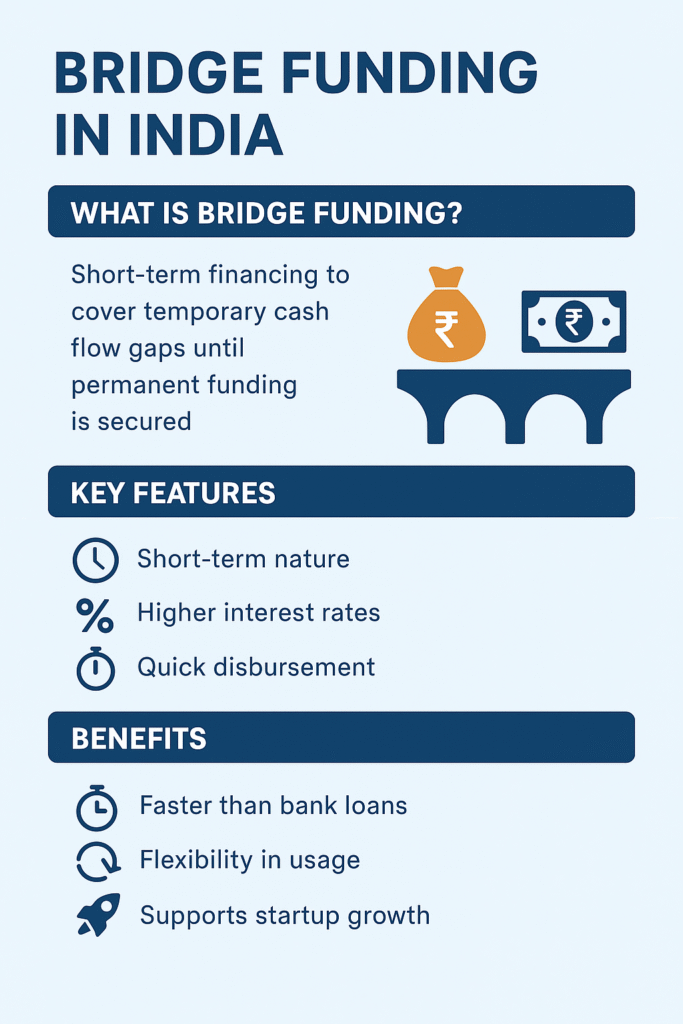
In India, Short-term business finance in India refers to short-term financing that helps businesses, startups, and real estate developers cover temporary cash flow gaps until they secure permanent funding. It is commonly used in sectors like infrastructure, real estate, and startup financing, where opportunities must be seized quickly.
How Bridge Funding Differs from Traditional Indian Loans
Unlike traditional bank loans in India, which may take weeks or even months to process due to compliance and paperwork, bridge funding is faster and more flexible. However, it usually carries higher interest rates, offered mainly by NBFCs, private lenders, and fintech platforms, rather than public sector banks.
Why Indian Businesses Use Bridge Funding
Covering Cash Flow Gaps
Indian SMEs (Small and Medium Enterprises) often face delays in receivables. Bridge loans help them maintain working capital for payroll, raw materials, and operations.
Financing During Mergers and Acquisitions
With India’s growing startup ecosystem, many acquisitions and mergers happen quickly. Bridge funding allows businesses to close deals fast while awaiting investor funds or term loans.
Real Estate and Development Projects
In cities like Mumbai, Delhi, Bengaluru, and Hyderabad, developers use bridge funding to purchase land, pay regulatory fees, or fund construction, while awaiting project approvals or long-term financing.
Key Features of Bridge Funding in India
Short-Term Nature
: Typically 3 months to 24 months.
Higher Interest Rates
: Usually 15–24% annually, depending on lender and borrower profile.
Quick Disbursement
: Funds can be released in 7–10 working days through NBFCs and fintech lenders.
Types of Short-term business finance in India
Business Bridge Loans
Offered by NBFCs and private lenders to help SMEs and startups manage working capital gaps.
Real Estate Bridge Loans
Used by developers to fund RERA registration fees, land acquisition, and project launches before homebuyer advances or long-term loans arrive.
Startup Bridge Funding
Venture capital firms in India often provide bridge rounds (interim funding) to startups before a large funding round, also known as “pre-series funding.”
Advantages of Bridge Funding in India
Faster than Bank Loans
: Especially useful when RBI regulations make banks cautious.
Flexibility
: Can be used for operations, project finance, or acquisitions.
Supports Startup Growth
: Bridge funding is common in pre-IPO and early-stage VC-backed startups.
Risks and Challenges in India
High Interest Costs
: Compared to regular business loans (9–13%), bridge loans can be expensive.Collateral Requirements
: Most NBFCs require real estate collateral or personal guarantees.Regulatory Risks
: Sudden changes in RBI lending norms can affect refinancing plans.
How to Qualify for Bridge Funding in India
Creditworthiness
: Businesses should maintain a CIBIL score of 650+.Financial Records
: Updated GST filings, audited balance sheets, and tax returns are often mandatory.Collateral
: Most Indian lenders prefer immovable assets like land or property.
Application Process in India
Documentation
: PAN, Aadhaar, company incorporation certificate, bank statements, and collateral documents.Lender Comparison
: NBFCs like Bajaj Finance, Edelweiss, and fintech players like Lendingkart offer bridge funding.Agreement Signing
: Loan terms are finalized, and funds are usually released within 1–2 weeks.
Alternatives to Bridge Funding in India
Working Capital Loans from Banks
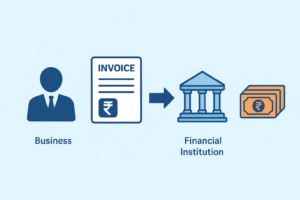
Invoice Discounting Platforms (like KredX, M1xchange)
Government Schemes (CGTMSE, Mudra Loans for SMEs)
Overdraft Facilities with Banks
Best Practices for Indian Borrowers
Plan Exit Strategy
: Refinancing through a term loan or investor funding is essential.
Negotiate with NBFCs
: Interest rates and processing fees are often negotiable.
Consider Fintech Options
: Digital lenders offer faster approvals with AI-driven risk checks.
Case Studies from India
Real Estate
: A developer in Gurgaon secured a ₹50 crore bridge loan to launch a residential project while awaiting RERA approval.
Startup
: A Bengaluru-based edtech startup raised bridge funding from existing investors before its Series B round.
SME
: A textile exporter in Surat used bridge funding to manage cash flow delays caused by pending export payments.
Future of Bridge Funding in India
Fintech Growth
: Platforms like InCred, Indifi, and Razorpay Capital are making short-term finance accessible to SMEs.Rising Real Estate Demand
: With India’s urban expansion, bridge loans will continue to be vital for developers.VC Ecosystem
: Startups will increasingly rely on bridge rounds between funding cycles.
FAQs on Bridge Funding in India
1. Who provides bridge funding in India?
- Who provides Short-term business loans in India?
Primarily NBFCs, private lenders, fintechs, and venture capital firms.
2. What is the average interest rate?
- Who provides bridge funding in India?
Primarily NBFCs, private lenders, fintechs, and venture capital firms.
3. Can startups raise bridge funding?
Yes. Startups often raise bridge rounds before IPOs or large VC funding rounds.
4. How fast can funds be disbursed?
Within 7–10 working days for NBFCs and even faster for fintech lenders
5. Do banks in India offer bridge loans?
Rarely. Banks prefer long-term secured loans, but private banks sometimes offer short-term facilities.
6. Is collateral mandatory in India?
For SMEs and real estate, yes. For VC-backed startups, investor bridge funding may not require collateral.
Conclusion: Is Bridge Funding Right for Indian Businesses?
Short-term business finance in India is a lifeline for SMEs, startups, and developers who need fast access to capital. While it carries higher costs, it enables businesses to grab opportunities, manage liquidity crises, and fuel growth.
However, it should be used strategically, with a clear repayment plan through refinancing or investor funding. When managed properly, bridge funding can be the stepping stone to long-term financial stability in India’s rapidly evolving economy.
👉 For official resources, you can check the Reserve Bank of India (RBI) and Startup India.